
How Do I Know When to Call a Plumber vs DIY?
There are plenty of small plumbing tasks homeowners can handle on their own. Replacing a toilet flapper, tightening a loose connection, or using a plunger on a minor clog may not require professional help.
The challenge is knowing when a plumbing problem has crossed the line from a simple do-it-yourself project into something that could cause water damage, sewage exposure, or a more expensive repair if handled incorrectly.
If you are unsure whether a problem is safe to tackle yourself, professional plumbing services in Land O Lakes can help identify the cause and determine the right repair.
Start With the Size and Location of the Problem
One of the first things to consider is how serious the problem appears to be and where it is happening.
A dripping faucet or a toilet that occasionally runs may be manageable for a homeowner who is comfortable making basic repairs. A leak inside a wall, under a floor, or beneath the slab is a very different situation.
Hidden leaks can be difficult to locate, and water may travel before becoming visible. What looks like a small wet spot on a wall or ceiling may be coming from another location entirely.
If you cannot clearly identify where the water is coming from, it is usually time to call a professional.
Simple Clogs May Be DIY Friendly
A basic clogged sink or toilet does not always require a plumber.
If a toilet is clogged, a good plunger is often the first thing to try. Minor sink clogs may sometimes be cleared by removing hair or debris from the drain opening or trap.
However, repeated clogs can be a warning that the problem is farther down the plumbing system.
If several drains are slow at the same time, a toilet continues to back up, or plunging does not solve the issue, calling a plumber in Land O Lakes can help determine whether there is a larger drain or sewer problem.
Be Careful With Chemical Drain Cleaners
When a drain is clogged, it can be tempting to pour a chemical drain cleaner into it and hope for a quick solution.
According to Frank Plummer, these products are not always the best answer. Strong drain chemicals can create additional concerns for plumbing systems and can also make conditions more hazardous for the plumber who eventually has to work on the drain.
If a clog does not respond to simple methods such as a plunger, it is generally better to have the cause diagnosed rather than repeatedly adding chemicals.
Call a Plumber for Sewage Backups
Sewage is one plumbing issue that should not be treated as an ordinary DIY project.
If wastewater is backing up into a toilet, bathtub, shower, or floor drain, stop using plumbing fixtures as much as possible.
Running additional water can add to the backup and potentially make the situation worse.
Sewage also presents sanitation concerns, so professional plumbing services in Land O Lakes are appropriate when there is a suspected sewer blockage or wastewater entering the home.
Gas Plumbing Is Not a DIY Project
Some plumbers also work with gas piping and gas-powered appliances.
Gas-related repairs require specialized knowledge because mistakes can create serious safety risks. If you smell gas, suspect a gas-line problem, or need gas piping repaired or installed, this is not the time to experiment with a do-it-yourself solution.
Call a qualified professional and follow any appropriate emergency safety instructions for the situation.
Call When Water Is Leaking Into the Structure
A small drip under a sink may sometimes be caused by a loose fitting that can be easily tightened. Water leaking into ceilings, walls, cabinets, or flooring should be taken much more seriously.
The longer water continues to leak, the greater the chance of damage to drywall, flooring, wood, insulation, and personal belongings.
If you see water coming through a ceiling or cannot stop an active leak, shut off the appropriate water valve if you can safely do so and call a plumber.
A professional plumber in Land O Lakes can locate the source of the leak and determine what needs to be repaired rather than simply addressing where the water happens to be visible.
Water Heater Repairs Often Need Professional Attention
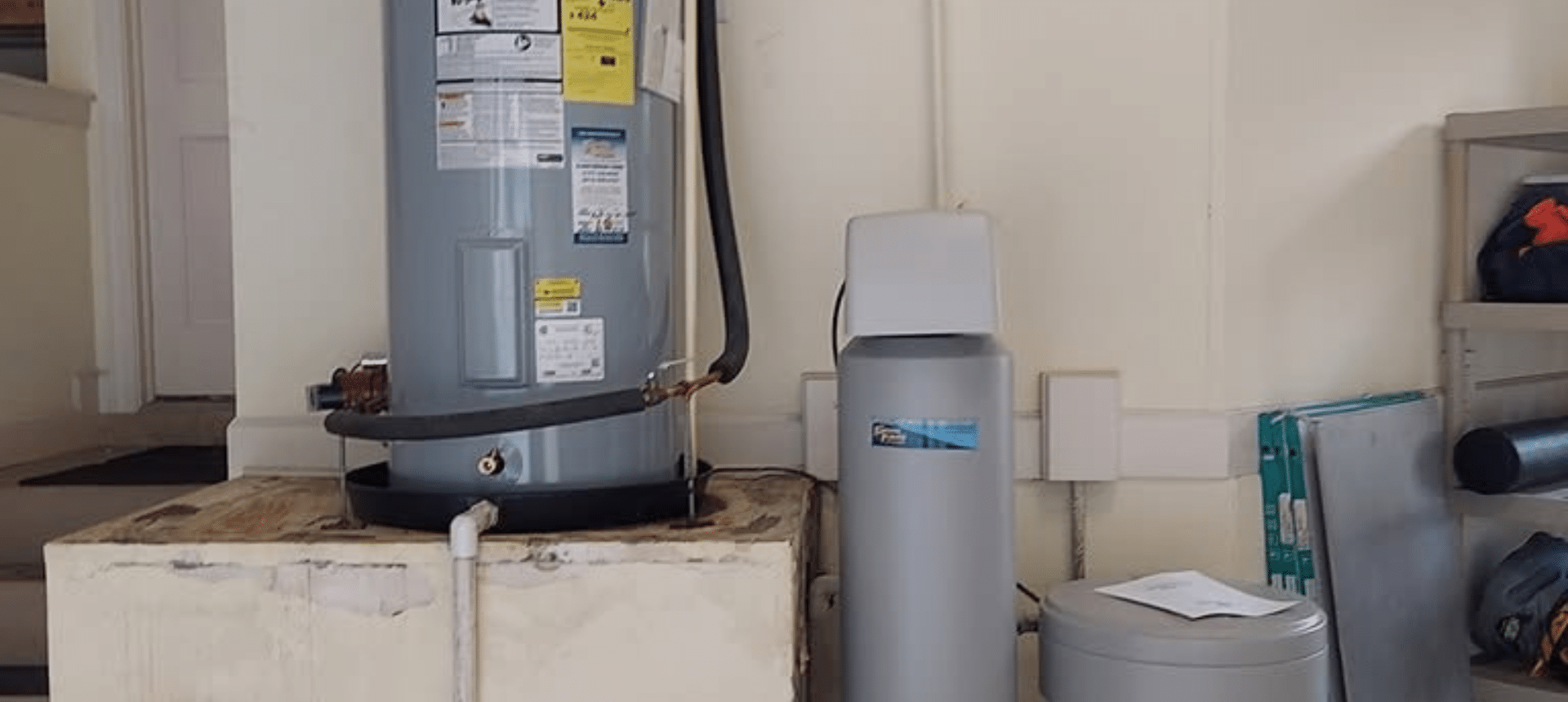
Some basic water heater maintenance may be manageable for homeowners, but leaks, electrical issues, gas problems, and major component failures should generally be evaluated by a professional.
A leaking tank can release a significant amount of water, while improper repairs to gas or electrical components can create additional hazards.
If the water heater is leaking, producing inconsistent hot water, or showing signs of failure, professional diagnosis can help determine whether repair or replacement is the better option.
Consider Whether a Permit Is Required
Another reason to call a professional is when a plumbing project requires a permit or must meet local building codes.
Larger plumbing installations and modifications may need permits and inspections. A licensed plumber can help ensure the work is completed correctly and in accordance with applicable requirements.
This can be particularly important when installing new fixtures, moving plumbing lines, replacing major equipment, or completing work that could affect a future home sale.
Know Your Own Comfort Level
Just because a plumbing repair can technically be done by a homeowner does not mean every homeowner should attempt it.
Before starting, ask yourself whether you understand the plumbing system involved, have the correct tools, and know how to shut off the water if something goes wrong.
A simple repair can become much more expensive if a fitting breaks, a valve fails, or a leak goes unnoticed.
There is nothing wrong with handling basic plumbing maintenance yourself, but there is also value in recognizing when professional experience can prevent a bigger problem.
When in Doubt, Protect Your Home
DIY plumbing makes sense when the problem is small, easy to identify, and unlikely to cause significant damage if something goes wrong.
It is generally time to call a plumber when you are dealing with a hidden or active leak, repeated drain problems, sewage, gas piping, a major water heater issue, or work that requires a permit.
Knowing where your own DIY limits are can help you avoid turning a relatively small plumbing problem into a much larger repair.