
Tankless vs Traditional Water Heater: Which Is Right for My Home?
Choosing between a tankless and traditional water heater depends on your home, available space, budget, and hot water needs. Before scheduling water heater repair and installation in Odessa, it helps to understand how each system works and what may be involved in the installation.
Why Homeowners Choose Tankless Water Heaters
A tankless water heater heats water when it is needed instead of continuously keeping a large tank of water hot. This can reduce energy use because the system is not constantly heating 40 or 50 gallons of stored water.
Tankless units also take up less space. This may be especially helpful in a townhome or a house where the water heater occupies a hallway closet. Removing the tank may create more room for storage.
Other possible advantages include:
- Hot water that is heated as it is used
- Less space required for the equipment
- Lower energy use over time
- The option to add a smaller unit near a distant bathroom
A smaller tankless or booster water heater may help when a bathroom is far from the main water heater and it takes a long time for hot water to reach that part of the home.
What to Consider Before Installing Tankless
Tankless water heaters usually cost more initially. The equipment is more expensive than a standard tank, and installation may also be more involved.
An electric tankless water heater may require significant electrical upgrades. Homeowners should include those possible upgrades when comparing the total installation cost.
Tankless systems also need yearly maintenance. This maintenance generally takes longer than flushing a traditional tank because mineral buildup must be removed from the components that come into contact with untreated water.
Why Traditional Water Heaters Remain Popular
Traditional water heaters have been used for many years, and replacement parts are generally easier to obtain. They are usually more affordable initially and may cost about one-third as much as a tankless system, depending on the equipment and installation.
Traditional tanks are also fairly simple to maintain when yearly flushing begins early and continues consistently. Flushing helps remove sediment that collects at the bottom of the tank.
The main disadvantages are the space required and the energy used to keep the stored water hot. A 40 or 50-gallon tank must continually maintain the selected temperature, which is commonly around 120 degrees.
Location and Installation Matter
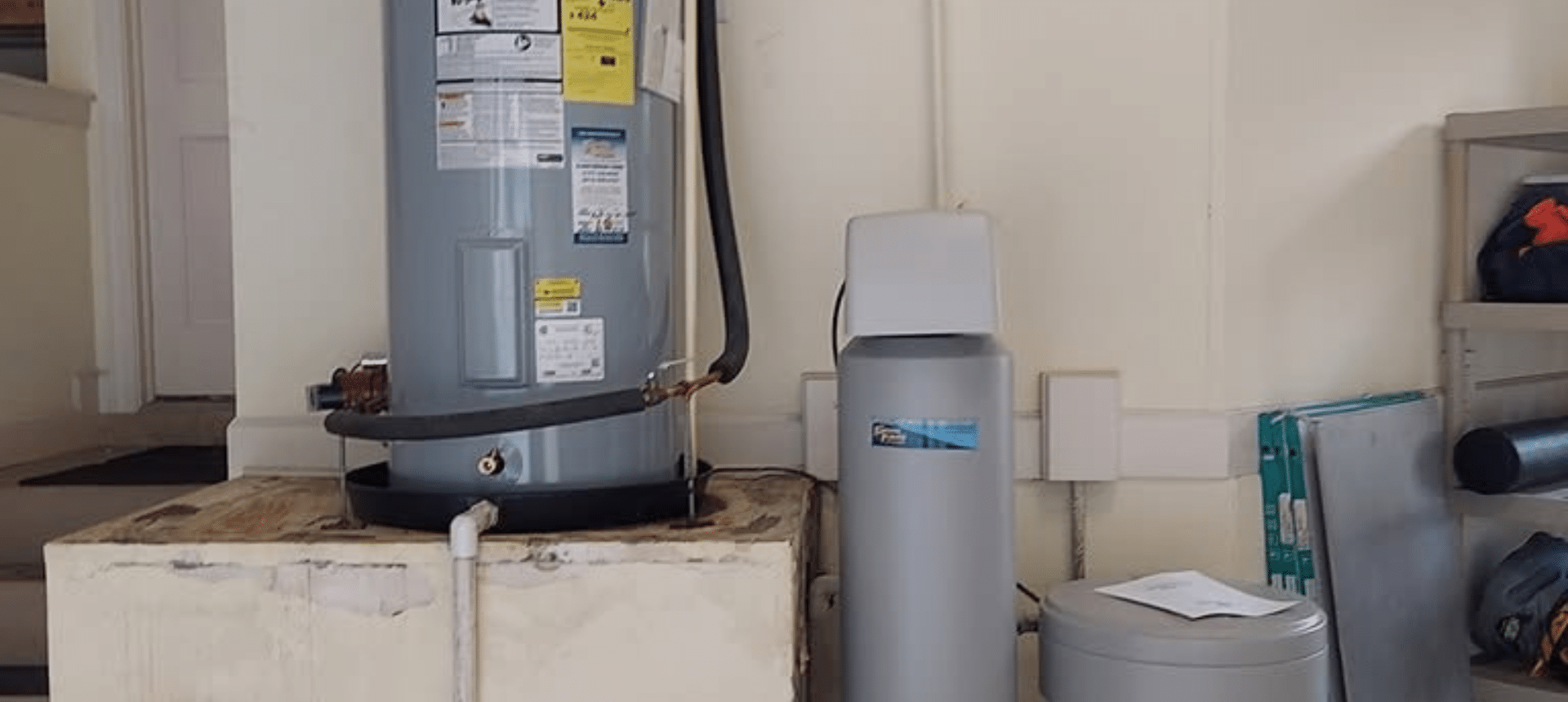
Plumbers generally prefer traditional water heaters to be installed in a garage when possible. If the unit leaks, the water is less likely to damage flooring, walls, or other finished areas.
Moving a water heater is not always simple. The work may require extending water lines through an attic or down a wall. Units installed on shelves may also require additional workers or lifting equipment during replacement.
Both tankless and traditional systems should receive yearly maintenance. A properly operating water softener can also help protect the equipment from Florida’s mineral-rich water.
For help comparing the space, installation cost, maintenance, and energy needs of each option, contact Pampering Plumber for professional plumbing services in Odessa and ask which water heater is best suited to your home.