

How Can Hard Water Damage Your Plumbing and Appliances?
Hard water is one of the most common, and most overlooked, causes of plumbing and appliance damage, especially here in Florida. From our experience, many homeowners don’t realize how much hard water is affecting their home until something fails. By the time a water heater leaks, a faucet corrodes, or an appliance stops working properly, mineral buildup has often been causing damage for years. That’s why conversations around water softener systems installation in Odessa and long-term water treatment are so important for protecting a home’s plumbing system.
Hard water contains high levels of minerals like calcium and magnesium. While these minerals aren’t harmful to drink, they create significant problems inside pipes, fixtures, and appliances over time.
What Hard Water Does Inside Your Plumbing System
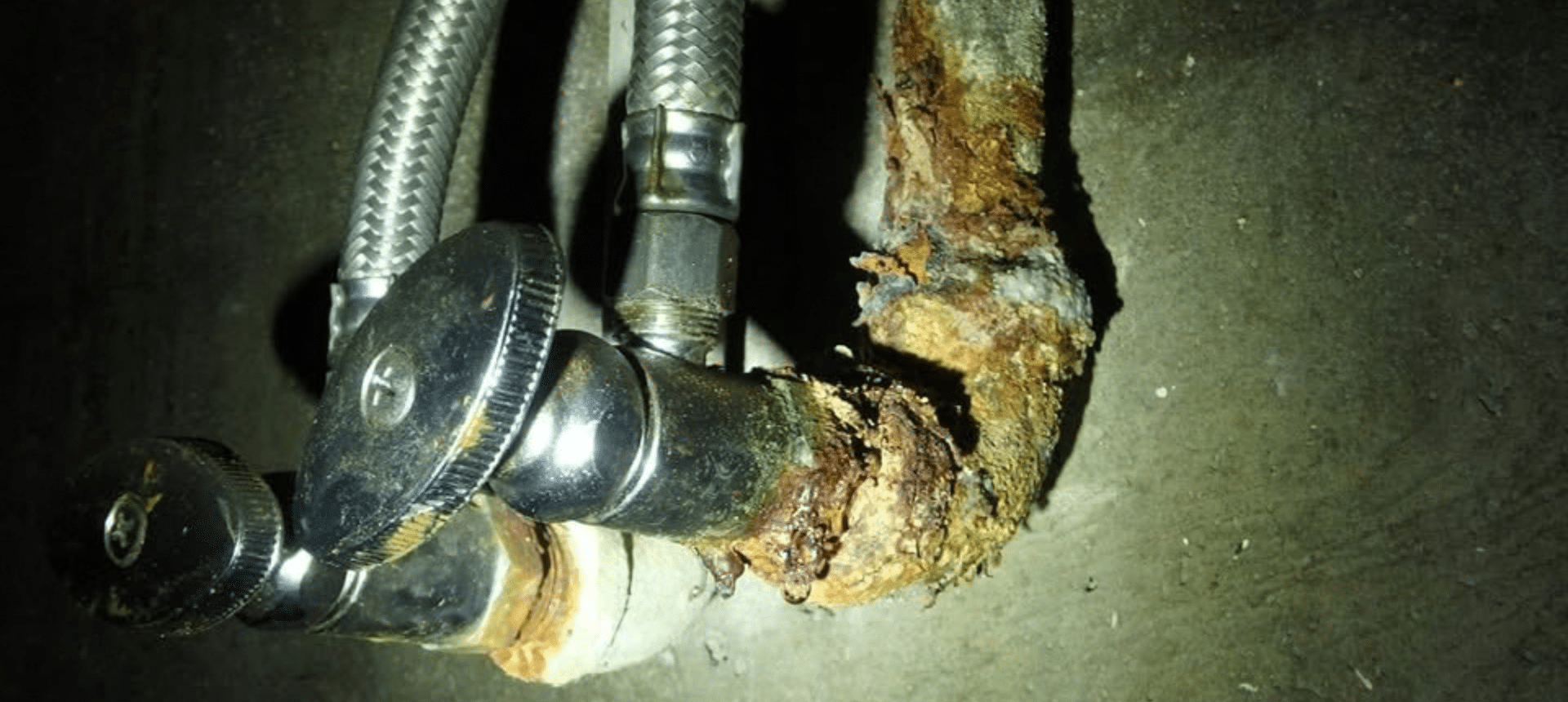
Hard water doesn’t just pass through plumbing; it leaves residue behind. As water flows through pipes and fixtures, minerals slowly cling to surfaces, forming scale buildup that restricts flow and damages components.
From what we see in the field, hard water commonly causes:
- Mineral scaling inside pipes
- Reduced water flow over time
- Corrosion of fixtures and valves
- Premature wear on seals and cartridges
This buildup happens gradually, which is why homeowners often don’t notice it until performance issues appear.
Damage to Water Heaters
Water heaters are one of the first appliances affected by hard water. Inside the tank, minerals settle at the bottom and coat heating elements, creating an insulating layer that makes the system work harder.
We’ve seen hard water lead to:
- Reduced heating efficiency
- Rumbling or popping noises from sediment
- Shortened water heater lifespan
- Tank corrosion and eventual leaks
In many cases, when a water heater fails, it’s because sediment buildup has been sitting at the bottom of the tank for years. Once the tank begins leaking, replacement is the only option.
Effects on Household Appliances
Hard water doesn’t stop at plumbing; it impacts every appliance that uses water. Dishwashers, washing machines, and even ice makers suffer when minerals build up on internal components.
Common appliance-related issues include:
- Reduced efficiency and performance
- Increased energy and water usage
- More frequent breakdowns
- Shorter appliance lifespan
We’ve even seen dramatic differences in clothing washed with hard water versus soft water. Minerals cling to fabric fibers, dulling colors and making clothes feel stiff over time.
Fixture and Faucet Damage
Hard water minerals also affect visible fixtures throughout the home. Over time, mineral deposits accumulate on faucets, showerheads, and valves, damaging finishes and internal components.
This often results in:
- White or chalky residue on fixtures
- Corroded faucet components
- Leaking cartridges and seals
- Reduced water pressure at fixtures
Once finishes are damaged, replacement is often the only solution.
Plumbing Pipes and Long-Term Wear
Inside pipes, mineral buildup gradually narrows the internal diameter, restricting water flow and increasing pressure on the system. This stress accelerates wear and increases the risk of leaks.
From our experience, hard water contributes to:
- Internal pipe corrosion
- Increased likelihood of pinhole leaks
- Reduced system efficiency
- Costly repairs in older plumbing systems
This type of damage is hidden, making prevention far more effective than repair.
Skin, Hair, and Everyday Use
While plumbing damage is the biggest concern, homeowners also notice hard water in daily life. Soap doesn’t lather well, residue remains on dishes, and skin and hair often feel dry or irritated.
Softened and filtered water improves:
- Soap and detergent efficiency
- Hair softness and shine
- Skin comfort
- Overall water quality
These everyday improvements are often what homeowners notice first after addressing hard water.
Why Filtration and Softening Work Together
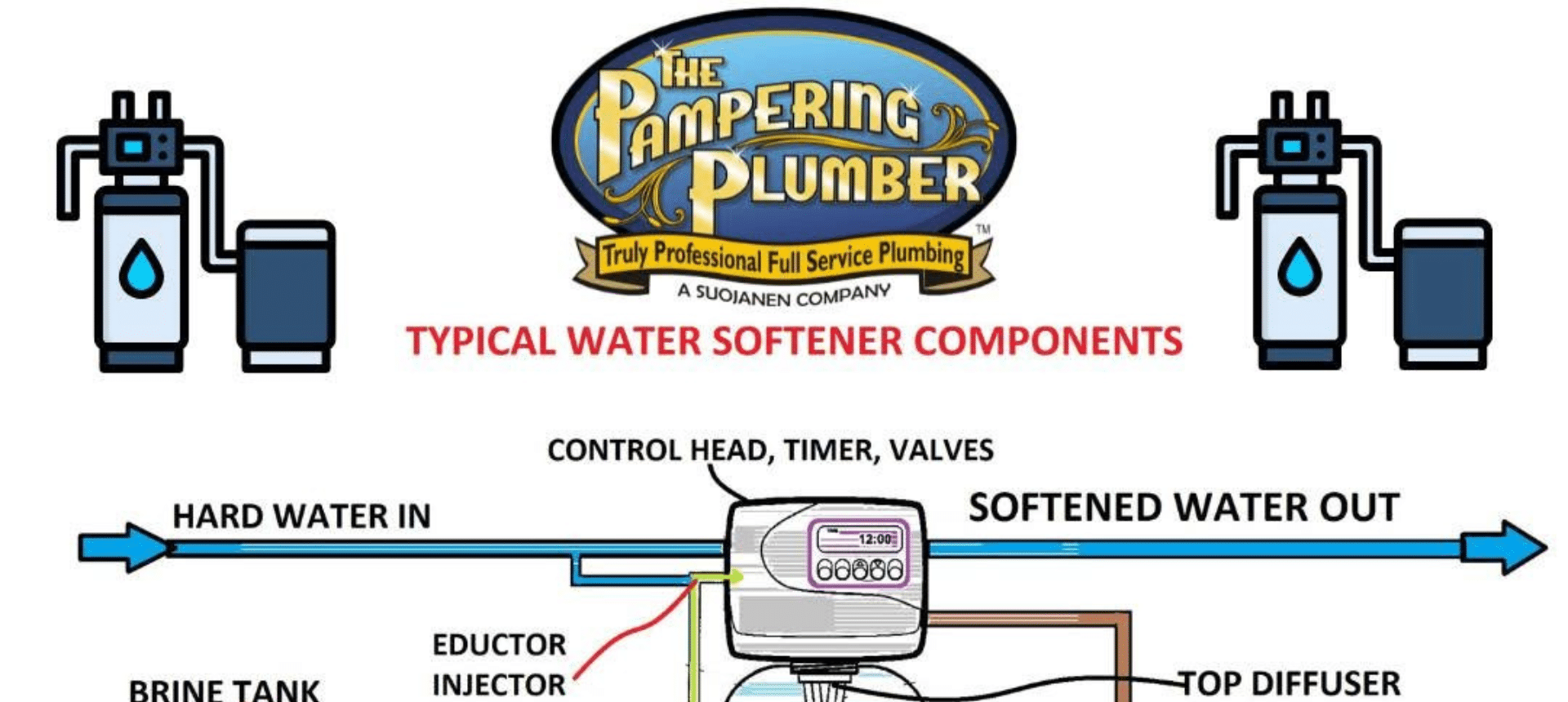
Water filtration and water softening serve different purposes but work best together. Filtration removes contaminants, while softening addresses mineral content that causes scale and buildup.
That’s why we often recommend pairing softening systems with water filtration service in Odessa to provide comprehensive protection for both plumbing systems and household water quality.
Long-Term Cost of Ignoring Hard Water
Ignoring hard water doesn’t save money; it shifts costs to repairs and replacements down the line. Appliances fail sooner, plumbing repairs become more frequent, and water heaters wear out faster.
Over time, homeowners may face:
- Repeated appliance replacements
- Higher energy bills
- Emergency plumbing repairs
- Fixture and pipe replacements
Preventing mineral damage early is almost always more cost-effective than fixing the results later.
Protecting Your Home From Hard Water Damage
From what we’ve seen, homes that address hard water proactively experience fewer plumbing failures and longer-lasting appliances. Proper treatment helps keep pipes clear, appliances efficient, and fixtures functioning as they should.
Investing in water treatment solutions like water softener systems installation in Odessa helps protect the hidden components of your home, while water filtration service in Odessa improves the quality and usability of the water itself.
Hard water damage happens slowly, but its effects are expensive and unavoidable without proper treatment. Understanding the risks and addressing them early can save homeowners from years of unnecessary repairs and replacements.