

Where Are Water Softeners Installed?
Homeowners dealing with hard water often know they need a solution, but they are not always sure where that solution actually lives inside the home. Understanding where a water softener is installed helps explain how it works, why placement matters, and when professional help becomes important. For homes in Odessa, water softener systems installation in Odessa typically follows a very specific setup designed to protect the entire plumbing system, not just individual fixtures.
A water softener is not installed at a sink or near a single appliance. Instead, it is placed at a strategic point where it can treat water before it flows throughout the home. This allows softened water to reach showers, faucets, appliances, and water heaters all at once.
The Main Location: Where Water Enters the Home
In most homes, water softeners are installed where the main water line enters the house. This location is often referred to as the “point of entry.” By installing the system here, all incoming water passes through the softener before it is distributed to the rest of the plumbing system.
This placement ensures that:
- Every fixture receives softened water
- Mineral buildup is reduced throughout the entire system
- Appliances are protected from scale damage
- Plumbing pipes experience less wear over time
Because this location varies from home to home, identifying the correct installation point requires familiarity with plumbing layouts and local building standards.
Common Areas Inside the Home
Depending on the structure of the house, water softeners are commonly installed in areas such as utility rooms, garages, or mechanical closets. These spaces are chosen because they usually provide easy access to the main water line, drainage, and electrical connections. Proper placement is especially important, which is why homeowners often rely on professional plumbing services in Odessa to ensure the system is installed safely and functions correctly throughout the entire home.
Some typical indoor installation areas include:
- Garages with a nearby water supply line
- Laundry rooms where plumbing and drains already exist
- Utility closets are designed to house water heaters or HVAC equipment
Indoor installations offer protection from weather and temperature extremes, which helps maintain system efficiency and longevity.
Outdoor and Semi-Outdoor Installations
In some Florida homes, water softeners may be installed in outdoor enclosures or covered utility spaces. This is especially common in homes where the main water line enters the house from an exterior wall.
When installed outdoors, additional considerations are necessary:
- Weather-resistant enclosures
- Protection from direct sunlight
- Proper drainage to prevent standing water
- Compliance with local plumbing codes
Improper outdoor placement can shorten the lifespan of the system, which is why professional evaluation is so important.
Why Placement Is Not a DIY Decision
While it may seem straightforward to place a water softener near a water line, incorrect installation can cause serious issues. Improper placement may lead to untreated water bypassing the system, pressure problems, or even plumbing damage.
Placement decisions must account for:
- Pipe sizing and flow direction
- Drain access for regeneration cycles
- Electrical requirements for control valves
- Space needed for maintenance and salt refills
A poorly positioned system can reduce efficiency and create long-term problems that cost more to fix later.
How Water Softeners Connect to Plumbing Systems
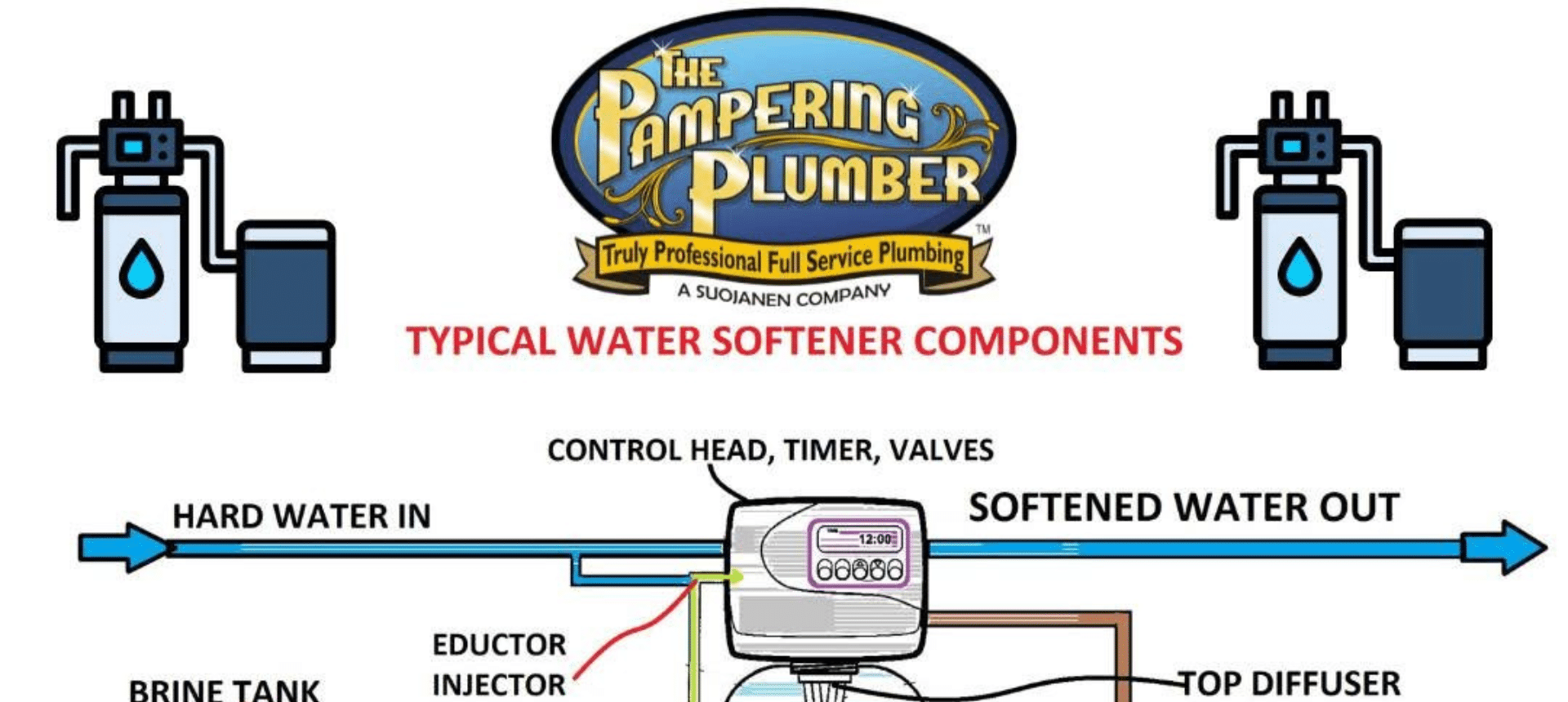
A water softener integrates directly into the home’s plumbing, intercepting the main line before water is distributed. This requires cutting into existing pipes and installing bypass valves, fittings, and drain lines.
Key components involved in installation include:
- Inlet and outlet connections to the main line
- A bypass valve for maintenance or emergencies
- A drain line for flushing minerals during regeneration
- An electrical outlet for system controls
Because these connections affect the entire plumbing system, accuracy and code compliance are essential.
Homes With Special Plumbing Considerations
Some homes require additional planning due to unique plumbing setups. Older homes may have limited space, outdated piping materials, or unconventional layouts that complicate installation. Homes with well water or filtration systems may also need coordinated placement to ensure all systems work together properly.
In these cases, professional planning helps avoid conflicts between systems and ensures optimal performance.
Long-Term Benefits of Proper Installation
Correct placement of a water softener protects more than just water quality. It reduces mineral buildup inside pipes, extends the life of water-using appliances, improves soap efficiency, and supports consistent water pressure throughout the home. When done through proper water softener systems installation in Odessa, the system is positioned to treat water efficiently before it reaches fixtures and appliances.
When installed in the right location, a water softener becomes a seamless part of the plumbing system, working quietly in the background while delivering noticeable results.
Knowing When to Call a Professional
Water softener placement is not just about convenience; it is about protecting your home’s plumbing infrastructure. When homeowners are unsure where the main line enters, how drainage should be handled, or how the system integrates with existing equipment, professional guidance is critical.
For homeowners in Odessa, reliableplumbing services in Odessa ensure that water softeners are installed in the correct location, connected safely, and set up to perform efficiently for years to come.