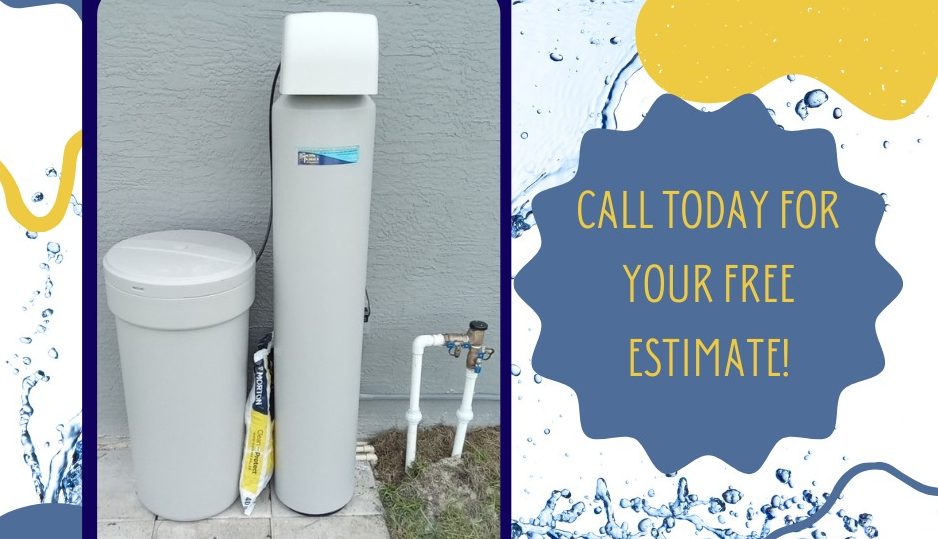
How to Repair a Water Softener and Whether You Can Install One Yourself
When a water softener stops working properly, the effects are usually noticeable right away. Soap stops lathering, water spots return, and scale buildup begins to show up on fixtures and appliances. Homeowners often wonder whether the issue can be fixed with a simple repair or if installing a new system themselves is a realistic option. For homes in Lutz, understanding how repairs work — and when contacting a Plumber in Lutz or relying on professional plumbing services in Odessa is the better choice — can help prevent costly mistakes.
Water softeners are mechanical systems with multiple moving parts, electronic controls, and plumbing connections. While some issues are minor, others require experience and proper tools to resolve safely.
Common Water Softener Problems Homeowners Encounter
Before attempting a repair, it helps to understand what typically goes wrong inside a water softener system. Some problems develop gradually due to normal wear or routine maintenance being overlooked, while others indicate mechanical failure, programming errors, or an installation issue that prevents the system from operating correctly. Recognizing the difference can help homeowners avoid unnecessary repairs or ineffective fixes.
Common water softener issues include:
- The system stops regenerating
- Hard water returns despite the unit running
- Salt bridges or salt mushing in the brine tank
- Low water pressure throughout the home
- Error codes on digital control heads
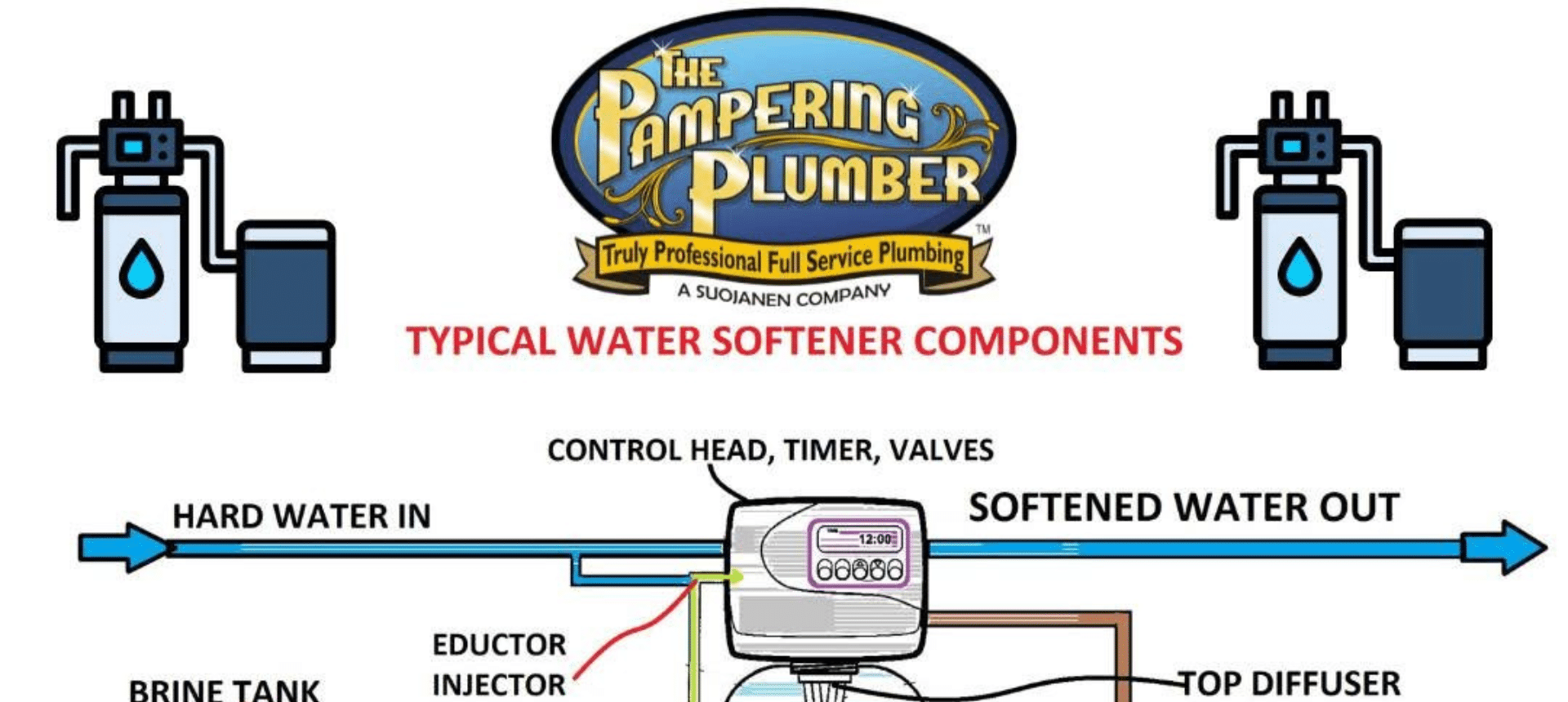
When a system stops regenerating, it can no longer flush accumulated minerals from the resin tank, allowing hard water to pass through untreated. In other cases, the unit may appear to be running normally, but internal valves or control settings prevent it from softening water effectively. Salt-related issues in the brine tank can block proper salt dissolution, disrupting the regeneration process altogether. Low water pressure may indicate clogged components or restricted flow caused by mineral buildup, while digital error codes often point to electrical, sensor, or valve malfunctions.
Not all of these problems require replacing the entire system, but many extend beyond simple adjustments. Without proper diagnosis, attempts to correct the issue may only provide temporary relief or create additional problems within the plumbing system.
Repairs That May Be Safe to Try
Some minor issues can be addressed by homeowners who are comfortable following manufacturer instructions. These repairs usually involve basic maintenance rather than internal system changes.
Repairs that may be manageable include:
- Cleaning resin tanks according to manufacturer guidelines
- Breaking up salt bridges in the brine tank
- Checking and refilling salt levels
- Resetting the system after a power outage
- Cleaning clogged injector or venturi components
Even with these tasks, care must be taken to avoid damaging sensitive components or altering settings incorrectly.
Repairs That Often Require Professional Help
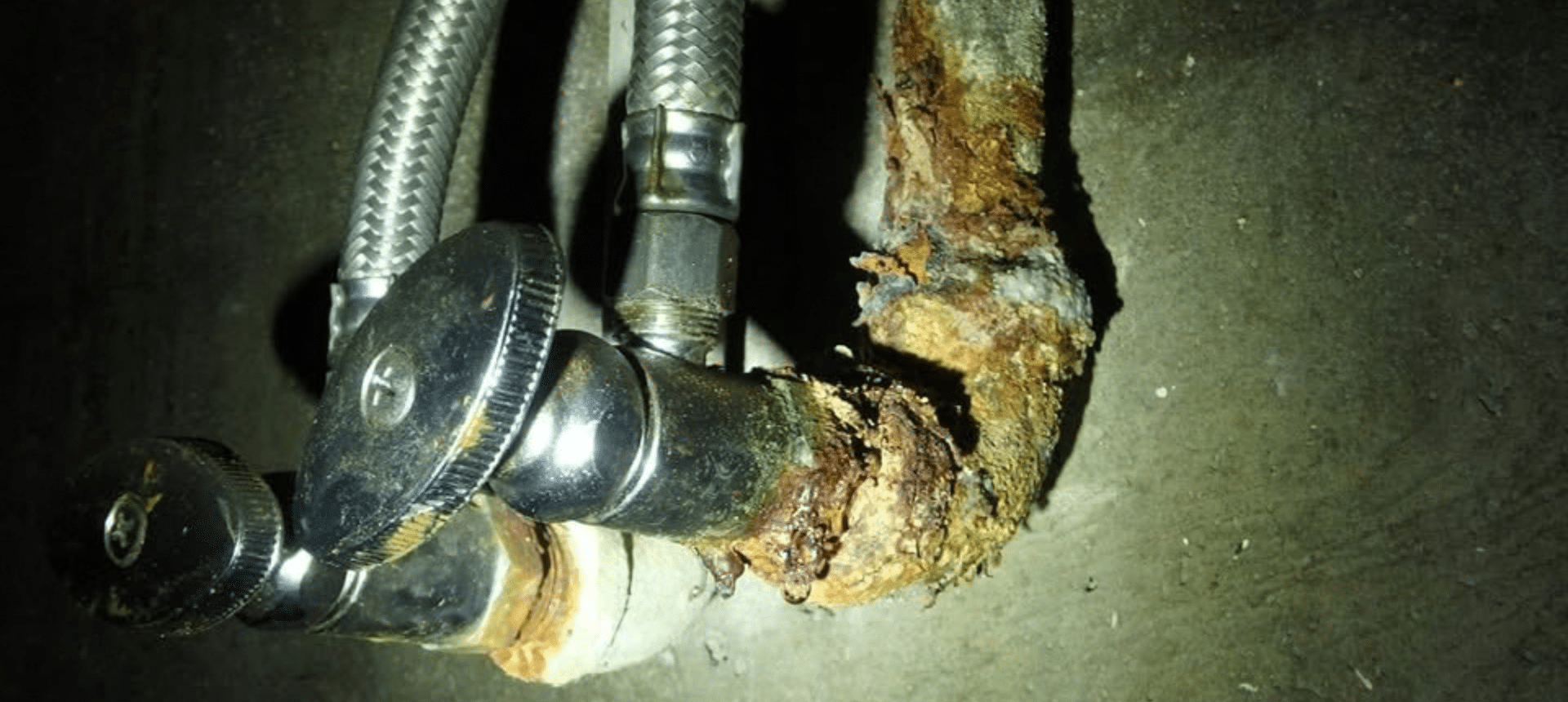
More complex problems typically involve internal valves, control heads, or plumbing connections. Attempting these repairs without proper experience can make the issue worse or cause water damage.
Professional help is often needed when:
- Control valves fail or leak
- Regeneration cycles stop completely
- Resin beads become damaged or depleted
- Plumbing bypass valves malfunction
- The system was installed incorrectly from the start
These issues affect how water flows through the entire home, making precision and experience essential.
Can You Install a Water Softener Yourself?
Many homeowners ask whether installing a water softener is a realistic DIY project. While installation kits are available, proper installation involves more than connecting a few pipes.
Installing a water softener requires:
- Cutting into the main water line
- Installing bypass valves correctly
- Ensuring proper drainage for regeneration cycles
- Connecting electrical components safely
- Programming system settings based on water hardness
Mistakes during installation can result in untreated water bypassing the system, leaks, or pressure problems throughout the home.
Risks of DIY Installation
DIY installation often looks simpler than it actually is. Even small errors can lead to long-term issues that outweigh any short-term savings.
Common DIY installation problems include:
- Incorrect placement in the plumbing system
- Poor drainage connections that cause backups
- Improper system sizing for household water usage
- Incorrect programming of regeneration cycles
- Code violations that may surface during inspections or resale
Once installed incorrectly, a water softener may never perform as intended without professional correction.
When Replacement Is Better Than Repair
In some cases, repairing an older system is not cost-effective. Water softeners have a finite lifespan, and repeated repairs can add up quickly.
Replacement is often the better option when:
- The system is more than 10–15 years old
- The resin media has deteriorated significantly
- Replacement parts are no longer available
- Energy or water efficiency is poor
- Performance issues continue after multiple repairs
A properly installed new system can restore water quality while improving efficiency and reliability.
Why Professional Installation Matters
Professional installers evaluate the home’s plumbing layout, water usage, and hardness levels before selecting and installing a system. This ensures the water softener is placed correctly and configured to meet household needs, which is why many homeowners rely on trusted plumbing services in Odessa to handle installation and setup properly.
Professional installation helps ensure:
- Correct placement at the point of entry
- Reliable water pressure throughout the home
- Efficient regeneration cycles
- Long-term system performance
- Compliance with local plumbing codes
This approach protects both the system and the home’s plumbing infrastructure.
Knowing When to Call a Plumber
Water softeners affect every water-using fixture in the home. When repairs involve plumbing modifications, electrical components, or persistent performance problems, it is time to involve a professional.
For homeowners in Lutz, working with an experienced plumber in Lutz ensures water softener repairs and installations are handled correctly, safely, and efficiently — helping protect both water quality and the plumbing system as a whole.