
How Long Does Plumbing Last, and When Should I Replace It?
The lifespan of a home’s plumbing depends on the pipe material, water quality, installation, and surrounding conditions. A qualified plumber in Odessa can evaluate recurring problems and help determine whether a repair is still practical or whether part of the system may need to be replaced.
The Average Lifespan of Household Plumbing
In an ideal situation, household piping may last around 50 years. However, that number is only a general estimate. Pipes can fail earlier when minerals, corrosion, poor water quality, tree roots, or previous installation problems place additional stress on the system.
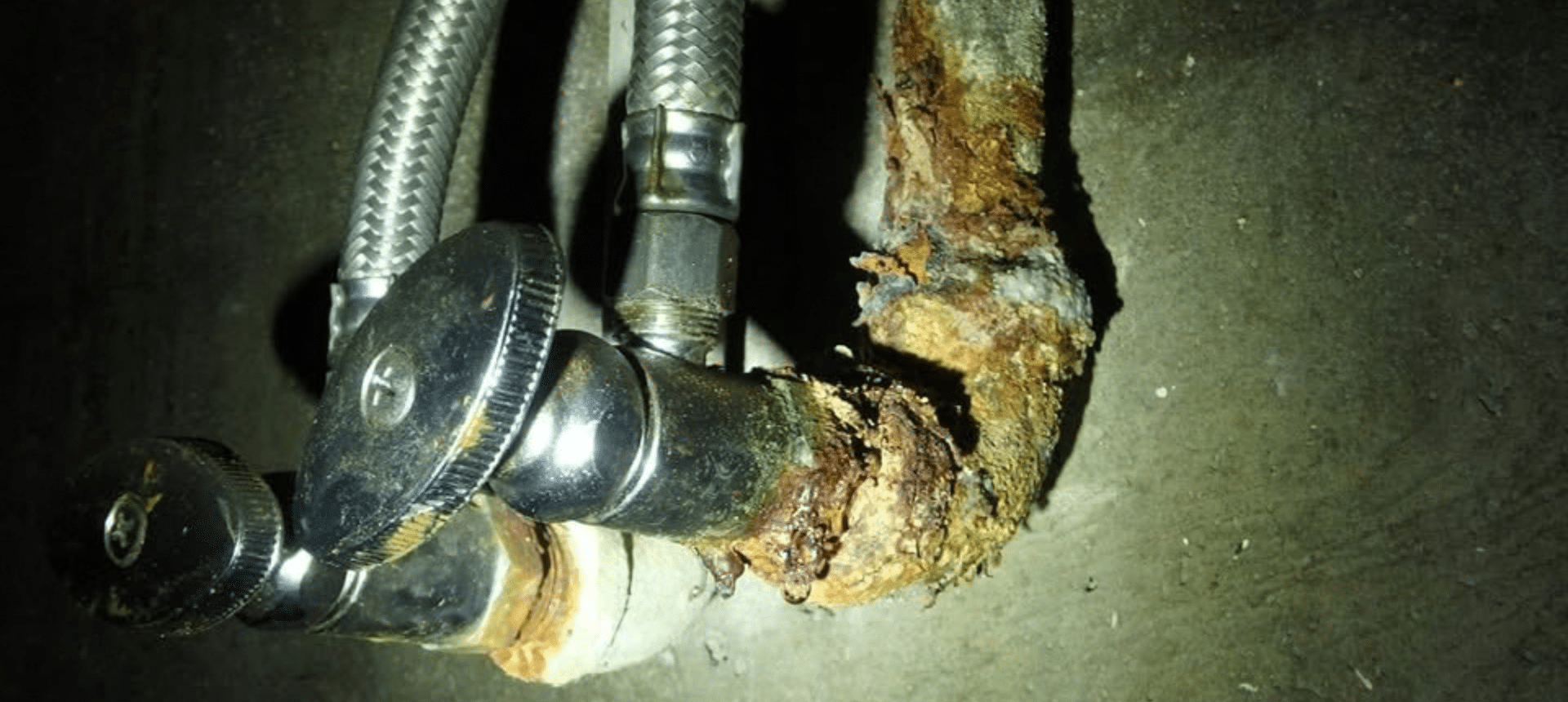
Older homes may contain cast-iron pipes, especially homes that are approaching 100 years old. Cast iron can corrode and become difficult to repair. Copper piping can also last for many years, but repairs require specific tools and experience.
A pinhole leak in one section of copper pipe may not be the only weak spot. After one leak is repaired, another may appear farther down the line. This is one reason plumbing inside walls should usually be handled by a licensed professional.
Signs Your Plumbing May Be Wearing Out
One isolated problem does not always mean the entire plumbing system needs replacement. Repeated issues, however, can indicate a larger concern.
Warning signs may include:
- Frequent leaks in different areas
- Repeated drain stoppages
- Sewage is backing up into the bathrooms
- Unexplained increases in the water bill
- Corrosion or older pipe materials
- Tree roots entering the sewer line
- Repairs that keep appearing near previous repairs
A plumber in Odessa may recommend a sewer camera inspection when backups or stoppages happen regularly. The camera can help identify roots, damaged piping, or an obstruction inside the line.
Check for Hidden Water Use
Homeowners can perform a simple check when they suspect a hidden leak. Turn off all faucets and make sure the washing machine and dishwasher are not running. Then look at the water meter.
If the meter continues moving, water may still be flowing somewhere in the home. A running toilet can cause this, but the movement could also point to another leak on the water supply side.
Water companies sometimes notify homeowners when usage becomes unusually high. A leak between the street and the home may be the homeowner’s responsibility, while a leak on the municipal side must be handled by the water provider.
Do Not Ignore Other Aging Equipment
The home’s pipes are not the only plumbing components that age. Water heaters also require annual maintenance and eventual replacement. An older unit may become a concern during a home sale or when obtaining insurance.
If your home has recurring leaks, backups, older pipes, or an aging water heater, contact Pampering Plumber to discuss an inspection and professional water heater repair and installation in Odessa. Evaluating the system early can help you plan the next step before a small concern becomes a larger problem.