
Why Is My Water Heater Not Producing Hot Water, and How Long Does a Water Heater Typically Last?
A water heater that suddenly stops producing hot water can disrupt an entire household. Whether the water turns cold without warning or gradually loses temperature, the problem often signals an issue that should not be ignored. Homeowners in Odessa frequently ask why their water heater is no longer working and how long a system should realistically last before replacement becomes necessary. Understanding these issues, and knowing when professional water heater repair and installation in Odessa is required, can help prevent further damage and unexpected expenses.
Water heaters are responsible for heating the water used for bathing, cleaning, cooking, and laundry. Because they operate under constant pressure and heat, even small failures can lead to larger problems if left unaddressed.
Common Reasons a Water Heater Stops Producing Hot Water
There are several reasons a water heater may stop producing hot water, and the cause often depends on whether the unit is electric or gas-powered. Some problems are relatively simple, while others indicate internal failure that should be evaluated by a plumber in Odessa to prevent further damage.
Common causes include:
- A tripped circuit breaker affecting the electric water heaters
- Burned-out heating elements caused by mineral buildup
- Sediment accumulation at the bottom of the tank
- A failed thermostat is preventing proper temperature control
- Igniter or gas valve failure in gas or propane units
- An empty propane tank or an interrupted gas supply
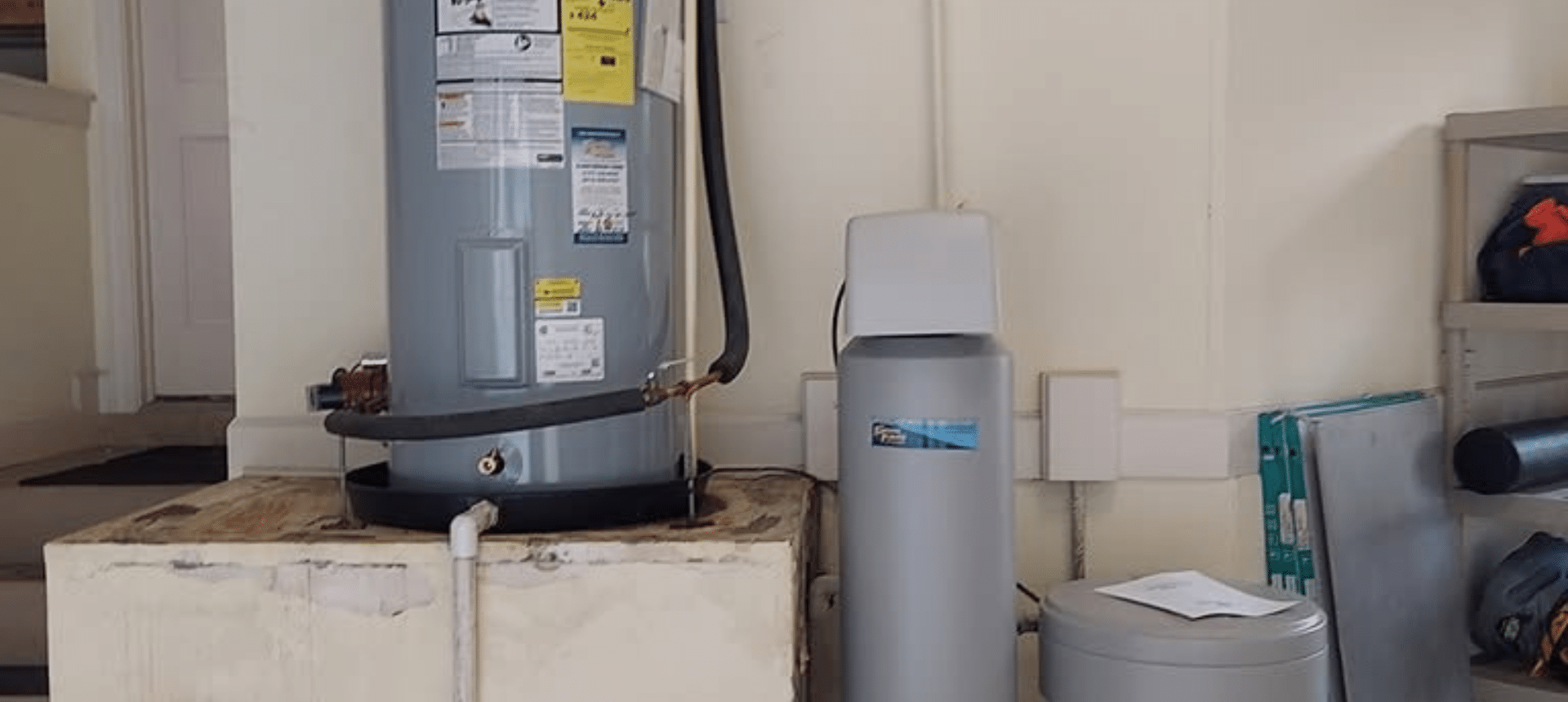
Electric water heaters rely on internal heating elements that are directly exposed to water. In areas with hard water, calcium and magnesium can build up on those elements, causing them to overheat and fail. Gas water heaters face different challenges, including worn igniters, faulty gas valves, or fuel supply issues that prevent the burner from operating correctly.
How Hard Water Impacts Water Heater Performance
Hard water is one of the most common contributors to water heater problems. Minerals naturally present in the water supply settle at the bottom of the tank over time. This sediment layer traps heat, forces the system to work harder, and accelerates corrosion inside the tank.
As sediment continues to build:
- Heating efficiency decreases
- Energy usage increases
- Internal components wear out faster
- The bottom of the tank becomes vulnerable to rust and leaks
Once the tank itself begins leaking, repairs are no longer possible. At that point, replacement is required.
How Long Does a Water Heater Typically Last?
The average lifespan of a traditional tank-style water heater is approximately 8 to 10 years. However, this range can vary based on water quality, usage habits, and maintenance history. Homes with untreated hard water often experience shorter lifespans due to accelerated sediment buildup.
As a water heater ages, performance issues tend to become more frequent. These changes often appear gradually rather than all at once.
Warning Signs a Water Heater Is Near the End of Its Life
Water heaters usually provide warning signs before failing completely. Recognizing these early indicators can help homeowners plan ahead rather than deal with an emergency replacement.
Common warning signs include:
- Inconsistent or fluctuating water temperature
- Reduced hot water capacity
- Rumbling or popping noises from the tank
- Visible corrosion near fittings or valves
- Water is pooling around the base of the heater
When multiple warning signs appear, repairs may offer only temporary relief. A professional evaluation can determine whether continued repairs are cost-effective or if replacement is the better option.
Can Maintenance Extend a Water Heater’s Lifespan?
Routine maintenance can help prolong the life of a water heater, but timing is critical. Annual flushing helps remove sediment before it hardens and causes damage. This is most effective when performed consistently from the early years of the system’s life.
Maintenance considerations include:
- Flushing the tank annually, if done regularly since installation
- Inspecting heating elements or burners
- Checking thermostats and safety components
- Monitoring for early signs of corrosion
For older water heaters that have never been flushed, performing a flush late in the system’s life may cause more harm than good. In some cases, sediment buildup may be the only thing preventing leaks. This is why professional assessment is recommended before performing maintenance on aging units.
When Repairs Are Possible and When They Are Not
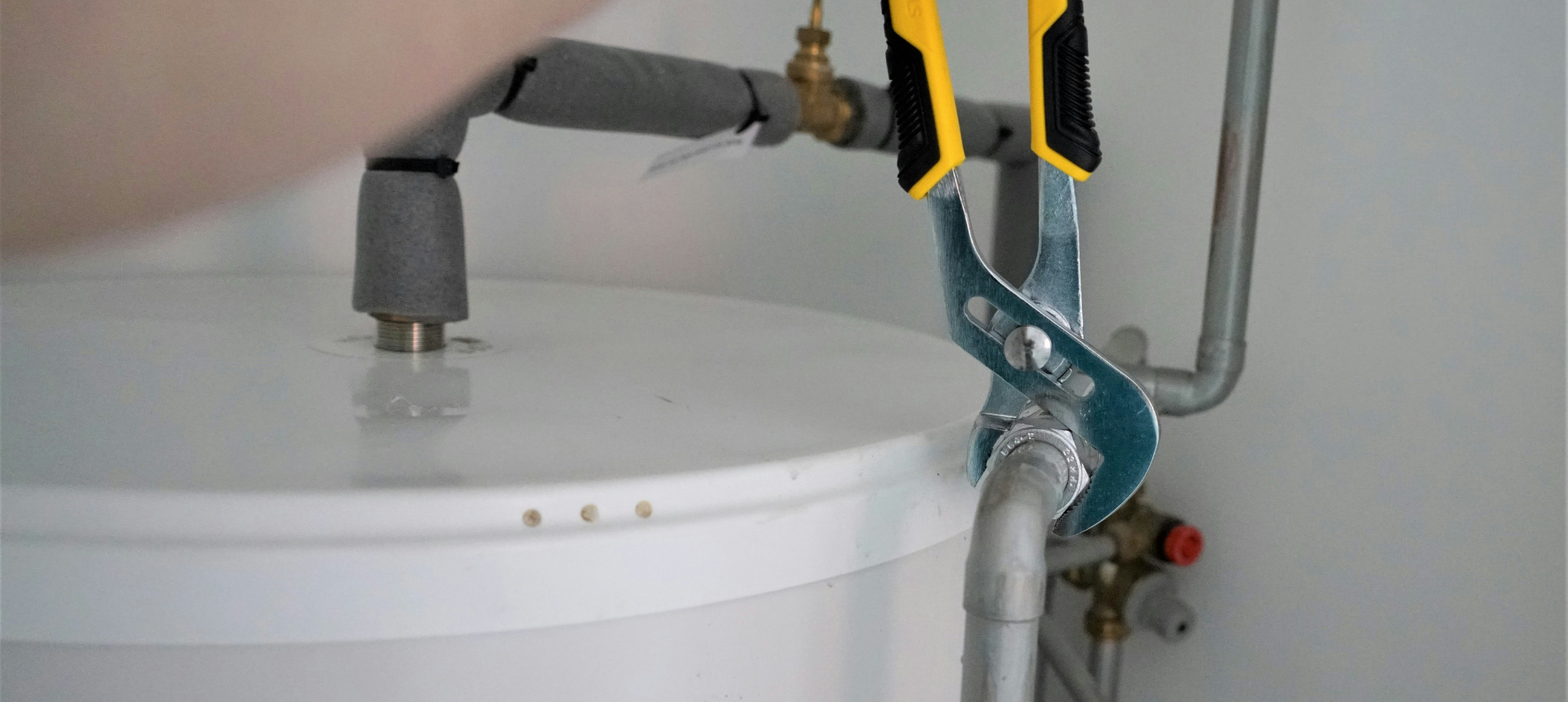
Some water heater problems can be repaired safely if the tank itself remains intact. Components such as heating elements, thermostats, igniters, and gas valves can often be replaced individually.
However, certain conditions make repair impractical:
- A leaking tank
- Extensive internal corrosion
- Repeated component failures
- Severe sediment buildup is damaging the tank structure
Once the tank leaks, it cannot be repaired or sealed safely. Replacement becomes the only reliable solution.
Why Professional Diagnosis Matters
Water heaters involve electrical systems, gas lines, and potable water. Misdiagnosing a problem can lead to unnecessary repairs, safety hazards, or continued performance issues. A professional diagnosis evaluates the heater itself, surrounding plumbing connections, and utility supply to identify the true cause of failure.
This approach helps ensure repairs address the root problem rather than just the symptoms.
Knowing When to Call a Plumber
Hot water issues should never be ignored. Delaying service can lead to water damage, higher energy costs, or complete system failure. When hot water loss is sudden, recurring, or accompanied by leaks or unusual noises, professional help is essential.
Working with a licensed plumber in Odessa ensures that water heater issues are handled safely, correctly, and in compliance with local standards. Whether repair or replacement is needed, professional guidance protects both the home and the plumbing system.
Understanding why a water heater stops producing hot water, and knowing how long a water heater typically lasts, allows homeowners to make informed decisions. When repair is no longer effective, timely water heater repair and installation in Odessa restores comfort, efficiency, and peace of mind.