
How Do Plumbers Find Hidden Leaks Inside Walls and Why Is Early Leak Detection Important?
Hidden plumbing leaks are some of the most stressful problems homeowners face. When water is visibly pouring from a pipe, the issue is obvious. But when a leak is concealed behind drywall, under a slab, or inside a ceiling, the signs are often subtle and easy to ignore. From our experience, these are the situations where professional plumbing services in Land O Lakes become critical — not just to fix the problem, but to locate it accurately in the first place.
Over the years, we’ve learned that water doesn’t always show up where the leak actually exists. It follows its own path, often traveling along framing, pipes, or concrete before becoming visible somewhere else in the home.
Common Signs of a Hidden Plumbing Leak
Many hidden leaks are discovered because something simply feels “off.” Homeowners often notice changes long before they ever see water.
Some of the most common warning signs include:
- Damp or discolored spots on walls or ceilings
- A musty or mildew-like smell near sinks or bathrooms
- Unexplained increases in water bills
- Bubbling, gurgling, or unusual sounds from drains
- Sudden drops in water pressure
These symptoms don’t always point to a single cause, which is why experience matters when diagnosing the issue.
How We Find Hidden Leaks Inside Walls
Finding a hidden leak is a process, not a guess. The first step is determining whether the issue is actually plumbing-related. Water stains can come from roof leaks, air conditioning systems, or even condensation issues, so we always start by narrowing down the source.
One of the most common methods we use is pressure testing. This involves isolating the plumbing system and monitoring pressure levels to see if there is any drop. A pressure drop confirms that water is escaping somewhere within the system.
If moisture is visible on a wall or ceiling, we may carefully open the drywall to inspect the area directly. In some cases, our plumbers use small inspection scopes that allow us to look inside walls without unnecessary damage.
When Advanced Leak Detection Is Needed
There are situations where leaks are more difficult to pinpoint, such as slab leaks or leaks beneath flooring. In those cases, we may recommend advanced leak detection services. While we don’t use thermal imaging equipment in-house, we work with trusted specialists who do.
These companies can:
- Use thermal imaging to identify temperature differences
- Detect moisture patterns beneath floors or slabs
- Mark the precise location of the leak
Once the leak is located, we return to perform the repair. This step-by-step approach helps avoid unnecessary demolition and keeps repair costs under control.
Why Water Doesn’t Always Appear Where the Leak Is
One of the most important things homeowners should understand is that water travels. A leak behind one wall may show up on the opposite side of a room or even on a different floor of the home.
From what we’ve seen, water can:
- Follow framing or studs downward
- The pool beneath the flooring becomes visible
- Travel along pipes or concrete surfaces
- Appear far from the original leak point
This is why accurate detection is just as important as the repair itself.
Why Early Leak Detection Matters
The longer a leak goes undetected, the more damage it causes. What starts as a small drip can quickly turn into structural damage, mold growth, or costly repairs.
Early detection helps:
- Minimize water damage to walls and flooring
- Reduce the risk of mold and mildew
- Prevent structural deterioration
- Keep repair costs lower
- Protect indoor air quality
In some cases, catching a leak early means drying the area with fans instead of replacing drywall or flooring. Once water damage spreads, repairs become far more extensive.
Older Plumbing Systems and Leak Risks
We often see leaks occur more frequently in older homes, especially those with copper or cast-iron piping. It’s not uncommon to repair one leak only to have another appear nearby shortly after.
This happens because:
- Pipes deteriorate unevenly over time
- Corrosion weakens the surrounding sections
- Pressure changes stress older materials
Modern homes with PEX or PVC piping tend to experience fewer of these chain-reaction leaks, but no system is immune.
The Role of Water Quality in Plumbing Health
Water quality plays a larger role in plumbing longevity than many homeowners realize. Hard water minerals can accelerate wear on pipes, fittings, and valves. Over time, mineral buildup contributes to internal corrosion and restricted flow.
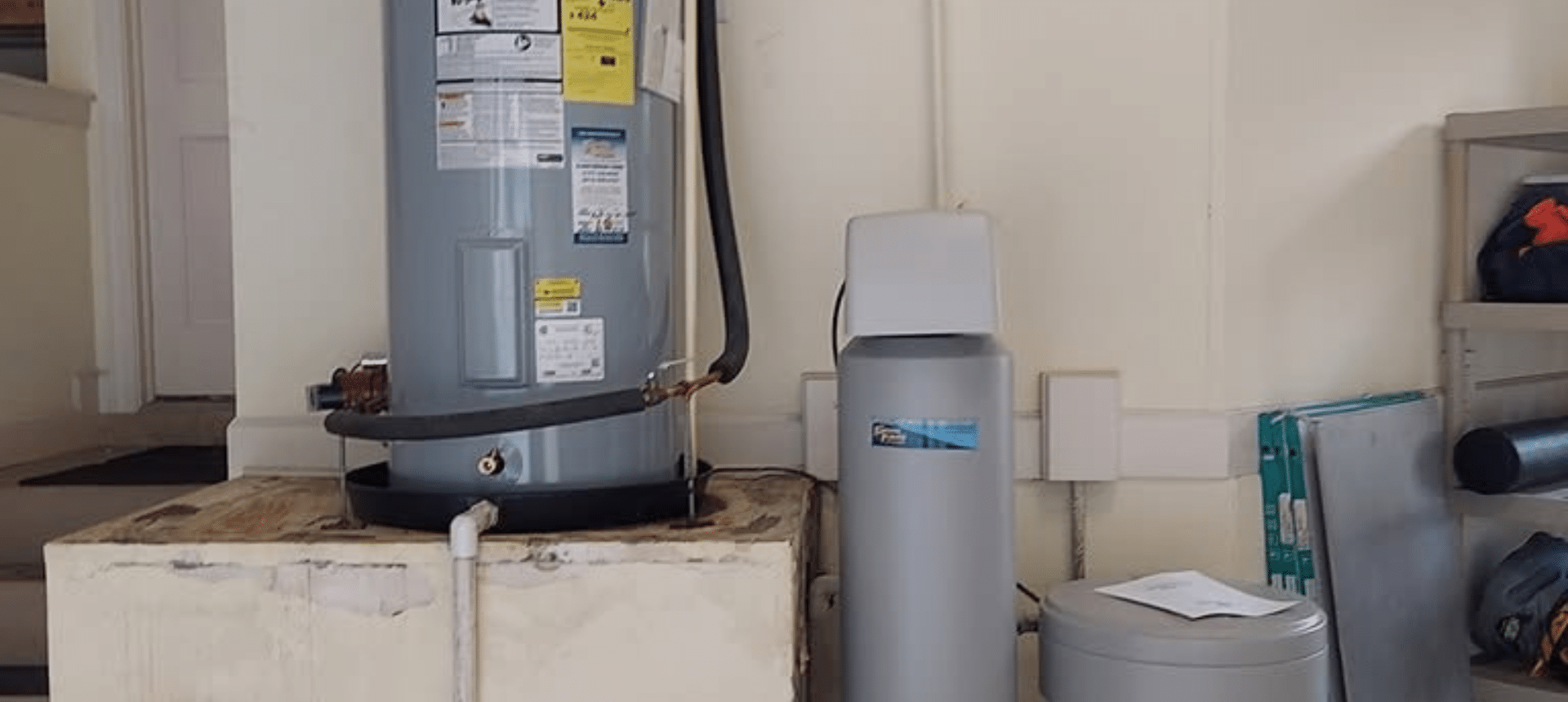
This is one reason we often discuss water treatment solutions alongside leak prevention. Proper water softener system installation in Land O Lakes helps reduce mineral buildup inside pipes, which can lower the risk of long-term plumbing damage.
Preventing Future Plumbing Leaks
While not all leaks can be prevented, there are steps homeowners can take to reduce risk.
Helpful preventive measures include:
- Addressing leaks immediately when symptoms appear
- Scheduling routine plumbing inspections
- Monitoring water pressure levels
- Maintaining water treatment systems
- Being aware of changes in water usage or pressure
These steps help catch small issues before they become major problems.
When to Call a Professional
Hidden leaks are not DIY-friendly problems. Because they involve pressurized water, structural components, and potential health risks, professional diagnosis is essential. Attempting repairs without locating the source accurately can lead to more damage and higher costs.
From our experience, early involvement of plumbing services in Land O Lakes ensures leaks are found quickly, repaired correctly, and prevented from spreading further. When combined with proper water softener systems installation in Land O Lakes, homeowners can protect both their plumbing system and the long-term health of their home.